A UGA Extension Agents’ Newsletter for Horse Owners and Professionals

-

Routine grooming of horses often focuses on the coat and hooves, but two areas frequently overlooked are the sheath of geldings and stallions and the udder area of mares. Research from equine veterinarians and Extension resources indicates that periodic cleaning of these areas can help prevent irritation, infection, and discomfort while allowing owners to monitor…
Posted in: Uncategorized -

Donkeys may look fluffy and hardy, but research shows their winter care needs are very different from those of horses. As we move into the coldest weeks of winter here in Georgia, understanding donkey behavior and physiology becomes especially important. Lower temperatures, increased precipitation, and cold winds all present unique challenges for donkeys that require…
Posted in: Driving My Donkey Crazy -

Maintaining a clean, disease-controlled equine environment isn’t just good practice, it’s essential. Research from veterinary epidemiology, infectious-disease science, and the USDA’s National Animal Health Monitoring System (NAHMS) consistently shows that pathogen load directly correlates with disease risk, especially for respiratory viruses like EHV-1, strangles, Salmonella, and environmentally persistent agents like dermatophytes (ringworm). Proper sanitation, disinfection,…
Posted in: Uncategorized -

Donkeys are not small horses with long ears. They evolved in arid, mountainous regions where survival depended on careful decision-making and strong self-preservation. Instead of reacting quickly like a flighty horse, a donkey stops to assess a situation before moving forward. Key traits of donkey behavior include: Building Trust First When I first acquired Monzar,…
Posted in: Driving My Donkey Crazy -
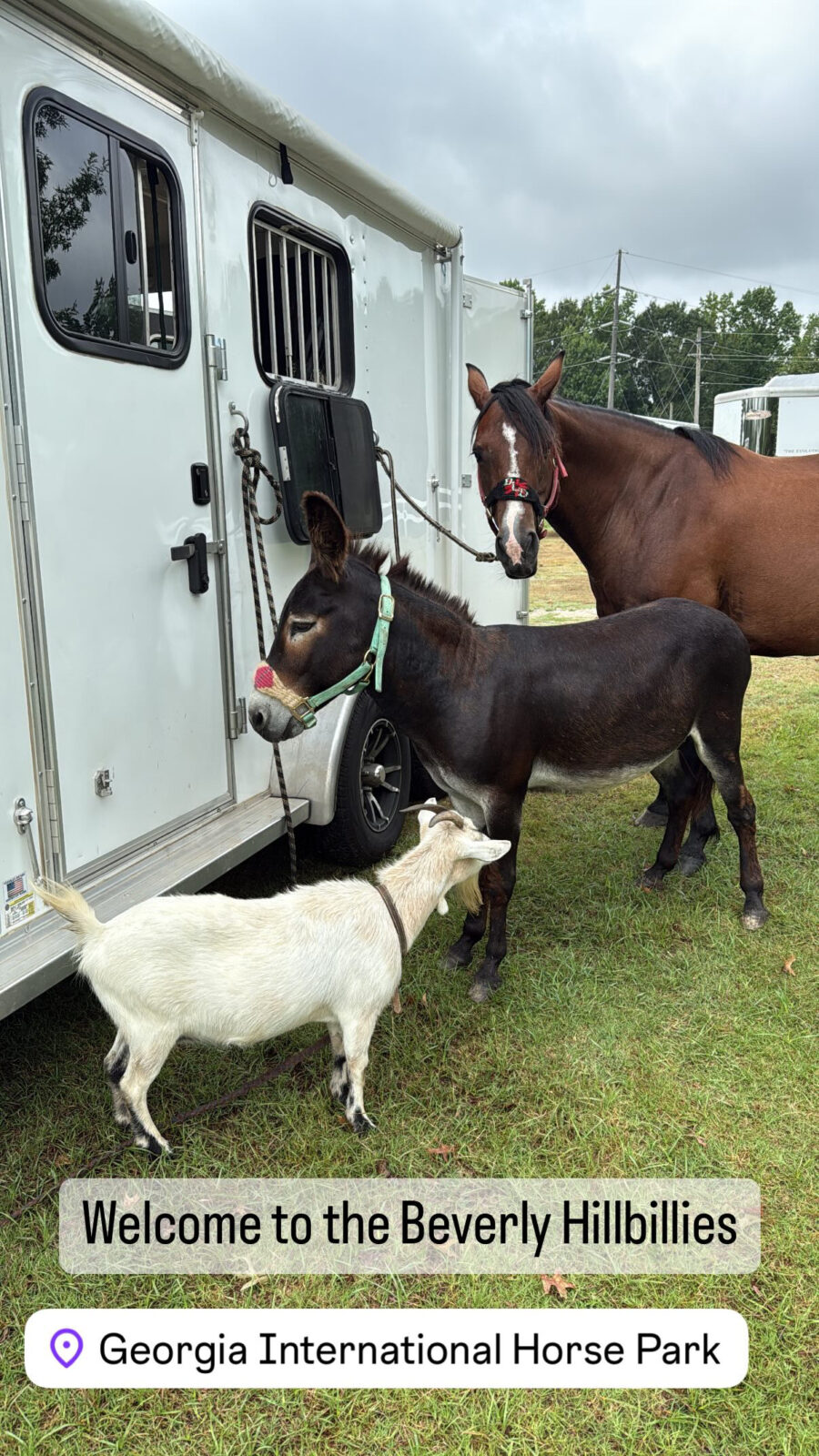
By Ashley Best, M.S. The good ones come with quirks. At this point, I might be collecting blue ribbons just on personality alone. With my other horse, Dino, leased out and a donkey learning to drive, I somehow ended up hauling a goat to a horse show just to keep things “normal.” Welcome to another chapter…
Posted in: Driving My Donkey Crazy -
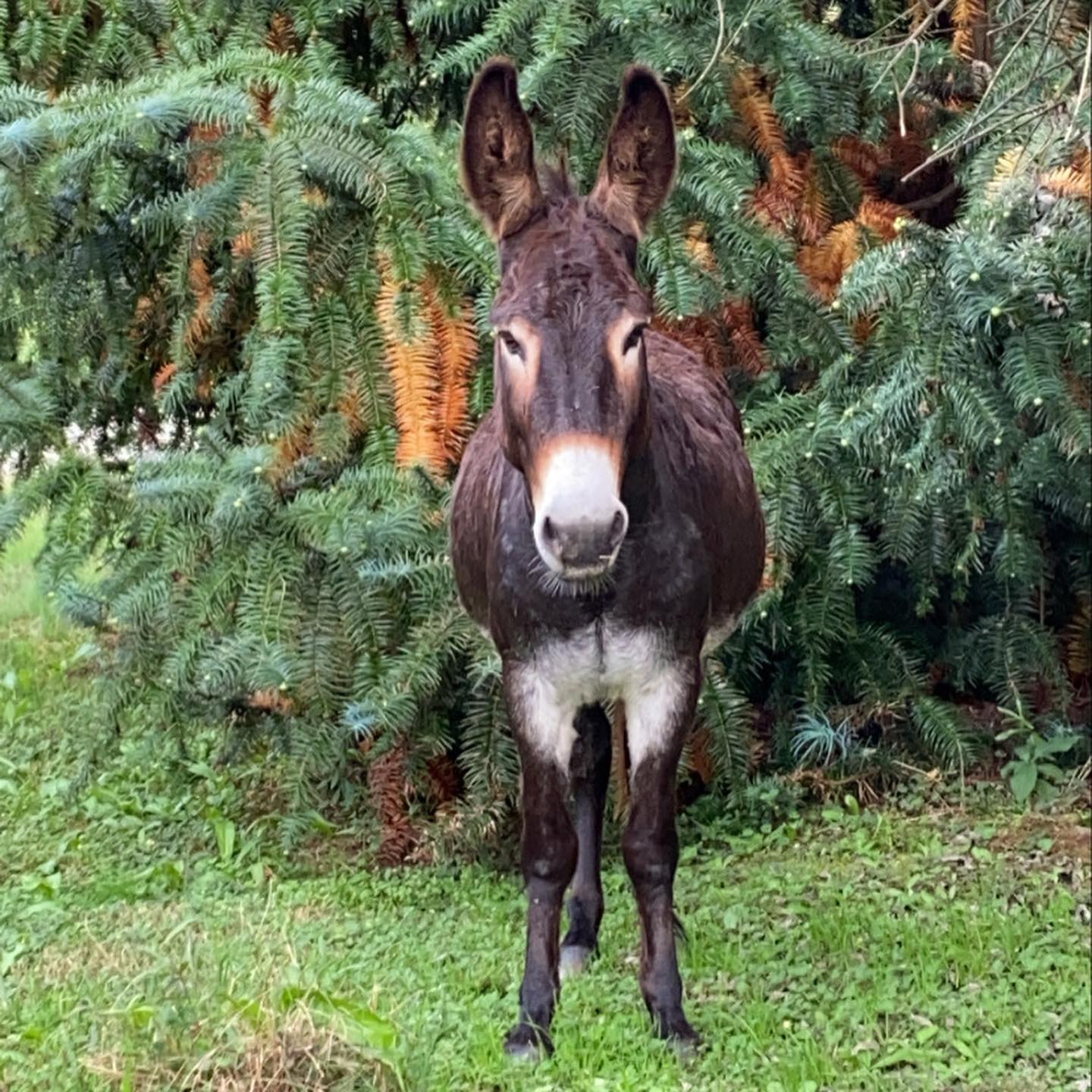
By Ashley Best, M.S. Like every other crazy horse person, I’m obsessed with all things equine. So naturally, I’ve decided to add yet another discipline to my already packed schedule — because why not? This time, I’ve set my sights on something a little different: teaching my donkey to drive. Yes, drive. As in harness, cart,…
Posted in: Driving My Donkey Crazy -
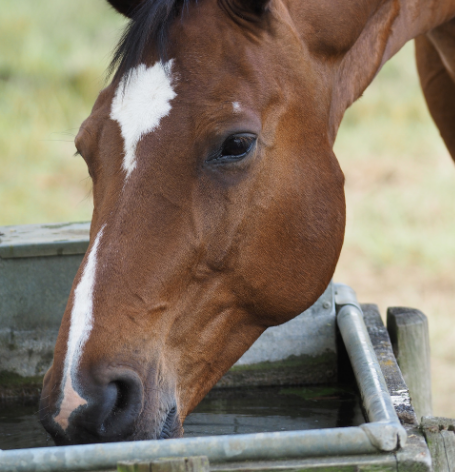
By Ashley Best, M.S. Summer Electrolyte and Water Strategies for Optimal Equine Health Summer heat in Georgia can be relentless—not just for us, but for our horses too. As temperatures soar and humidity rises, equine hydration becomes more than a comfort issue; it’s a matter of health, performance, and sometimes survival. With sweat losses increasing…
-
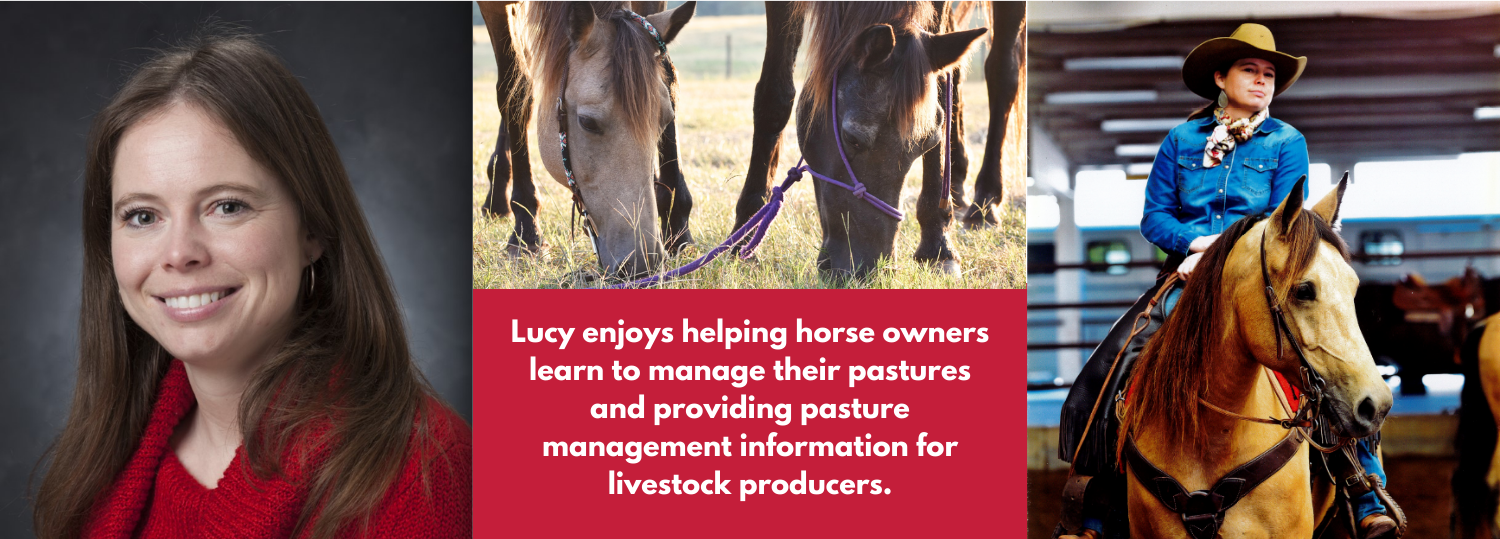
Brief Biography from Lucy Lucy Ray grew up in Dacula, Georgia on a commercial beef cattle farm, where her family always had horses. Lucy grew up riding for pleasure and competing in a varied array of disciplines. She has a bachelor’s degree in Animal Science from Berry College and a master’s degree in Animal Science…
-

by Ashley Best M.S., UGA Extension, Newton County I have recently been in the market for a new ranch cutting saddle to show the ranch horse classes in. Historically, I have only had barrel saddles with a few rope saddles as well. I even built my own barrel saddle with a saddle maker friend of…
Posted in: Mar. 2025 -
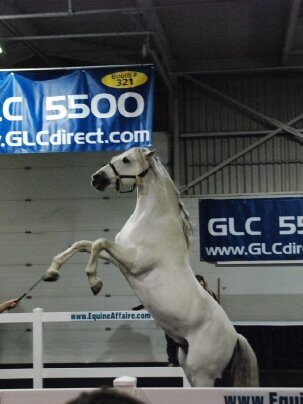
By: Robyn Stewart, M.S. Reviewed & Approved by Dr. Kylee Duberstein, UGA Assistant Professor When it comes to equine behavior, there are a wide variety of topics we could discuss. The 2024 Equine Exchange Lunch and Learn taught a year-long curriculum on equine Behavior and Training, with the full playlist of recordings available here: https://kaltura.uga.edu/playlist/dedicated/1_15kqhbaq/.…